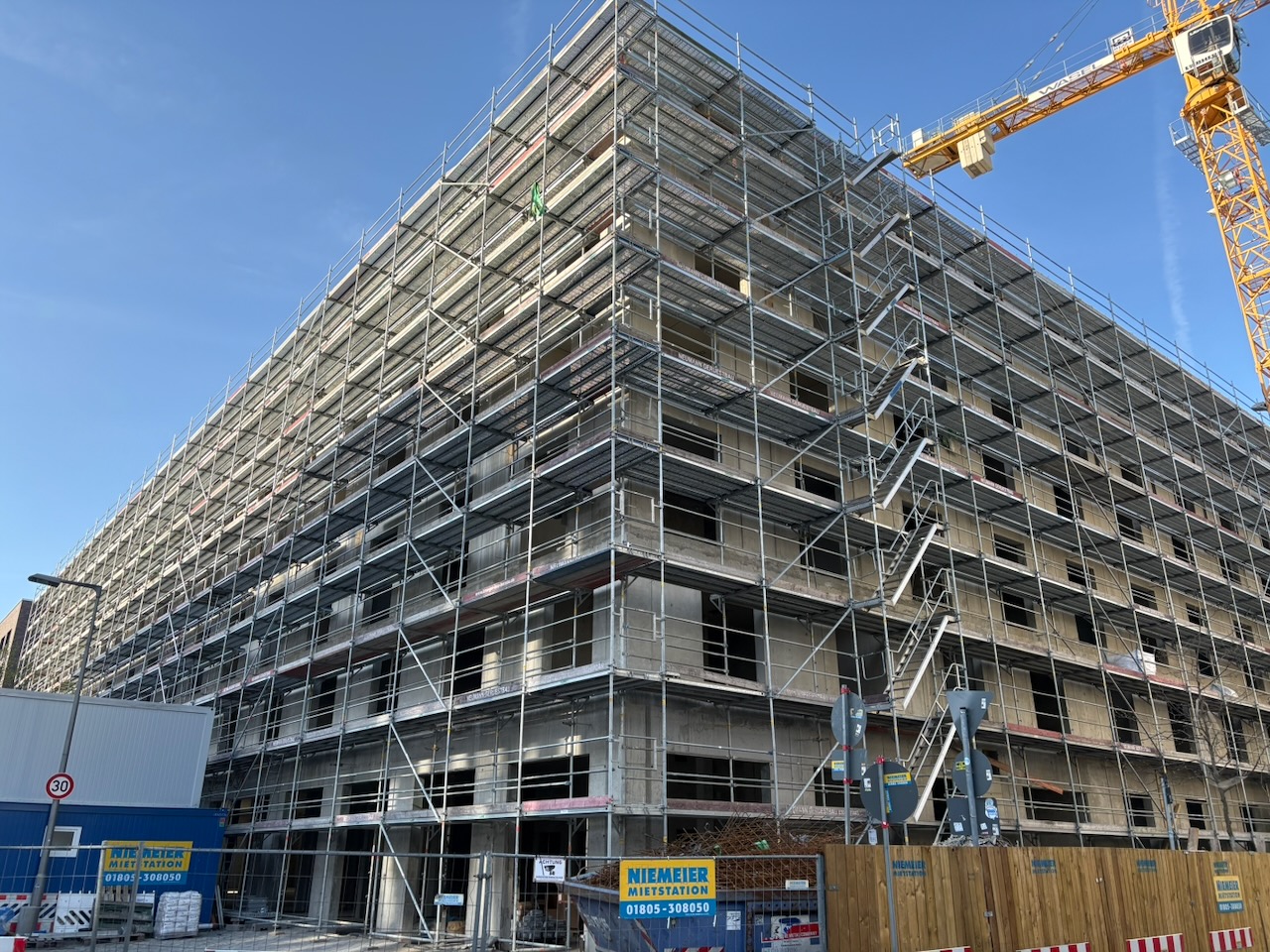

Europacity is one of Berlin’s largest urban development projects—yet in many places, it still feels unfinished. Between new office complexes, planned green spaces, and a few lingering question marks, a neighborhood in transition is emerging.
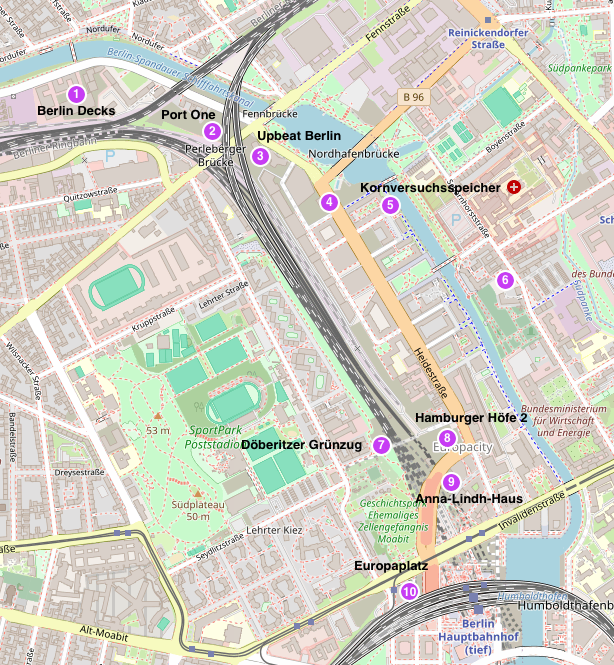
I’ve taken a look at some current construction projects and am taking you on a tour from north to south.
1 - Berlin Decks
In the far north—perhaps not quite part of Europacity anymore—the Berlin Decks are rising largely unnoticed on Friedrich-Krause-Ufer. They are nearing completion by BEOS AG. The site is located right at the crosswalk and the Torfstraßensteg, the bridge over the Spandau Ship Canal that leads to the Sprengelkiez.
What is planned here?
Classic office, coworking, or hybrid space models that combine manufacturing, testing grounds, and back-office functions.
A first tenant already seems to be confirmed: Mbition, Mercedes' software subsidiary.
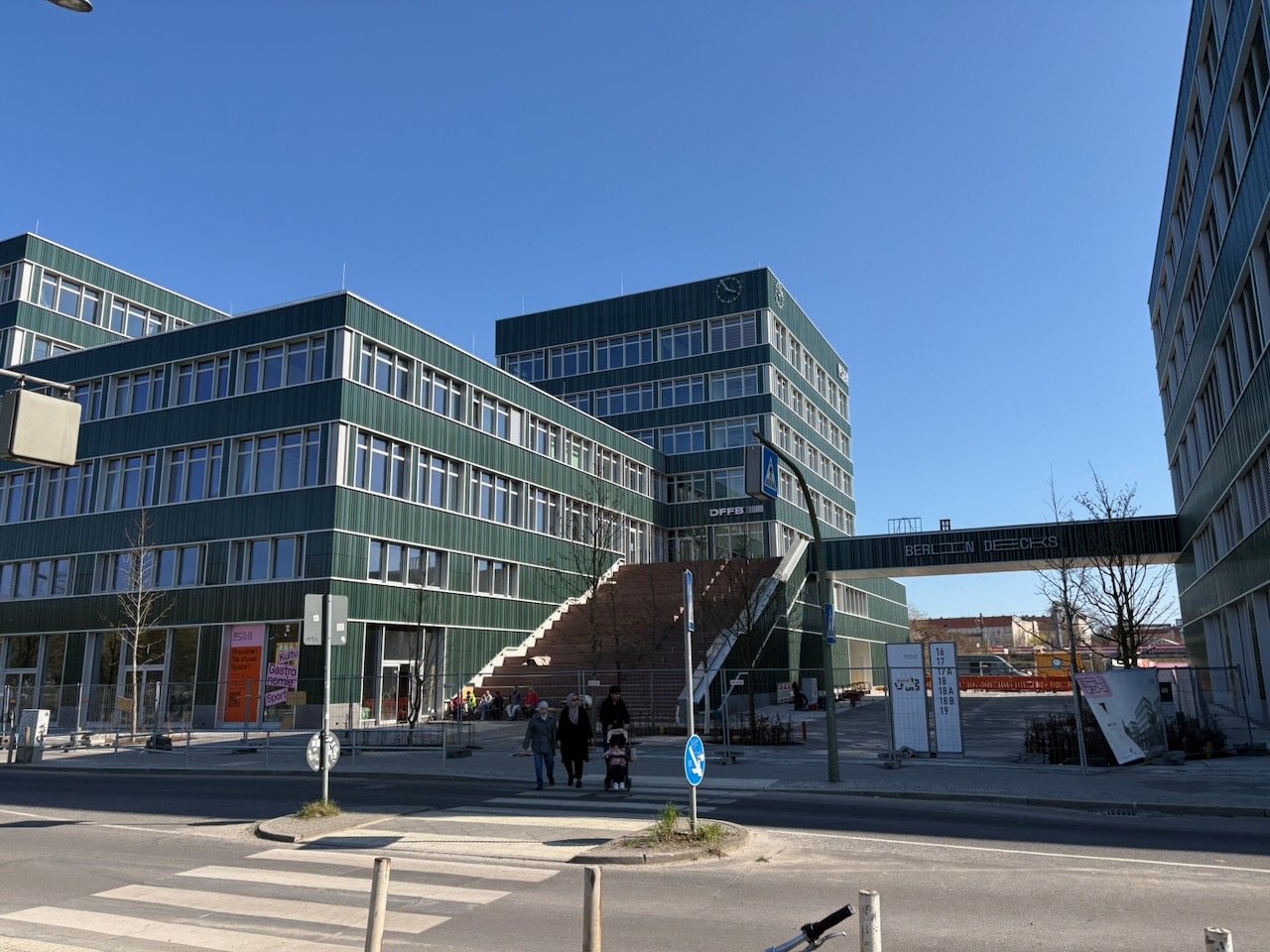
Some renderings show a grand staircase leading down to the water. However, this likely isn't part of the actual property and is probably more wishful thinking. That said, the canal bank actually offers considerable untapped potential.
2 - Port One
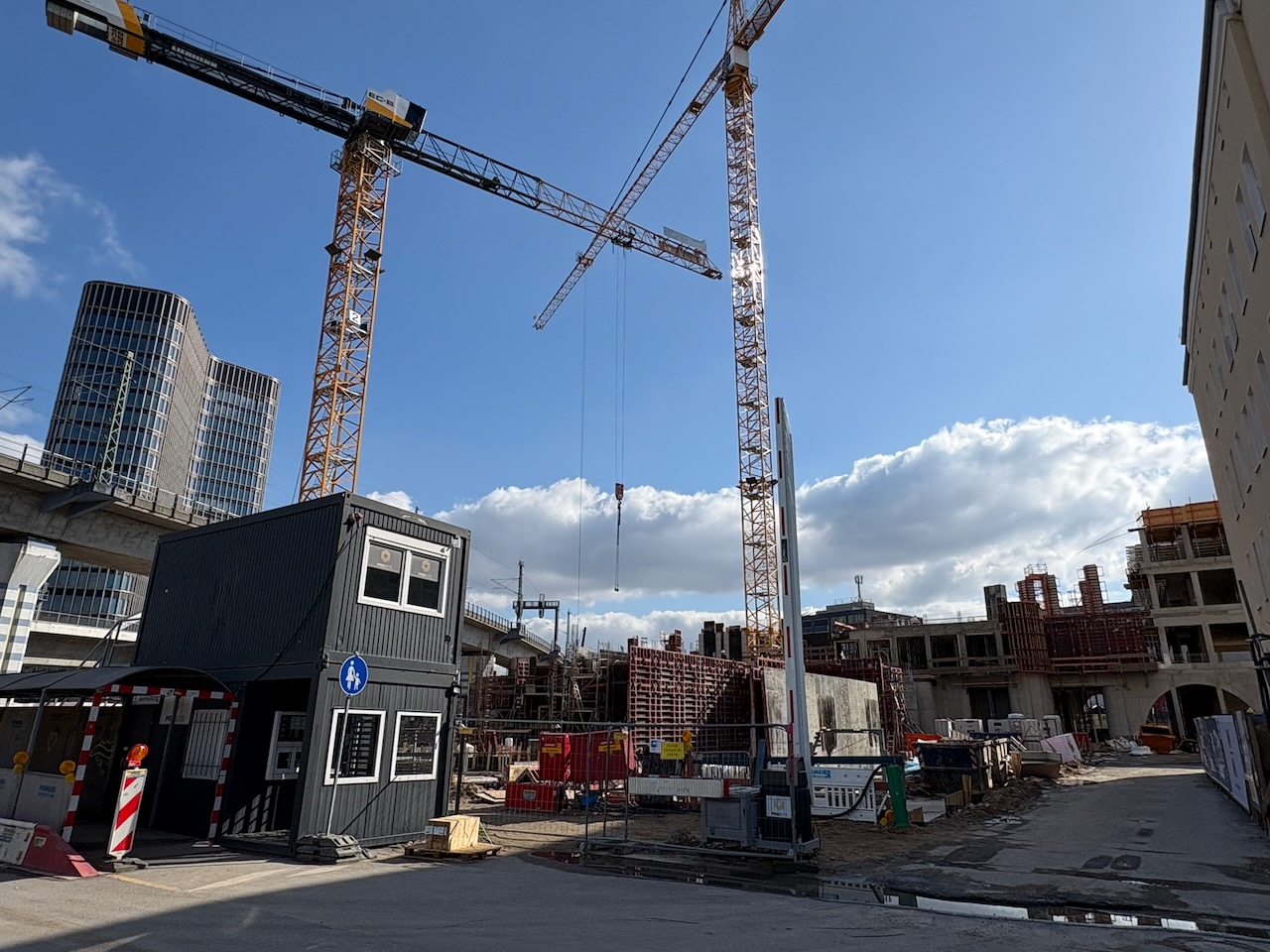
Walking along Friedrich-Krause-Ufer toward Europacity, you reach the site where, just a few years ago, small shops, a parking lot, and an ALDI were located. Right at the Perleberger Brücke, Port One is currently being built. At a height of 55 meters, it is slightly lower than the Upbeat building across the street.
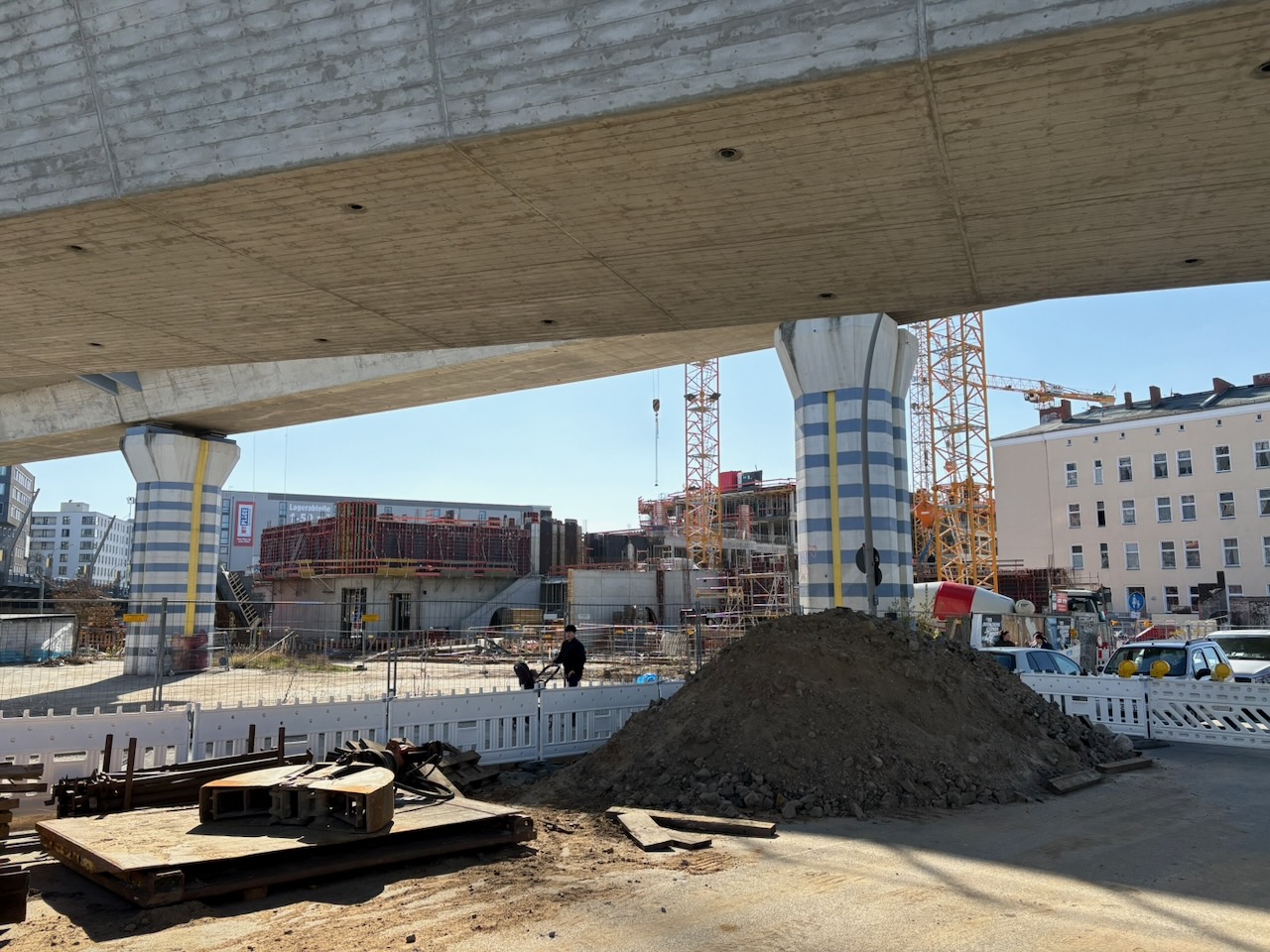
According to the developers, special emphasis was placed on sustainability during planning:
The unique open-space design of PORT ONE BERLIN is based on the "Sponge City" concept and includes extensive surface unsealing. Through infiltration and evaporation, rainwater is returned to the natural water cycle.
The renderings on the website at least look promising.
An ALDI likely won't be returning here, but a daycare center (Kita) is planned (not that there is currently a shortage of spots).
(...) with an Innovation Campus, daycare, office/co-working spaces (optional on the 1st floor), café, cafeteria, and event lobby.
3 - Upbeat Berlin
On the opposite side of the Perleberger Brücke, Upbeat Berlin is growing to a height of 82 meters, making it one of the most prominent and architecturally interesting buildings in Europacity. While it doesn’t quite scrape the clouds, its 19 stories make it quite tall by Berlin standards.
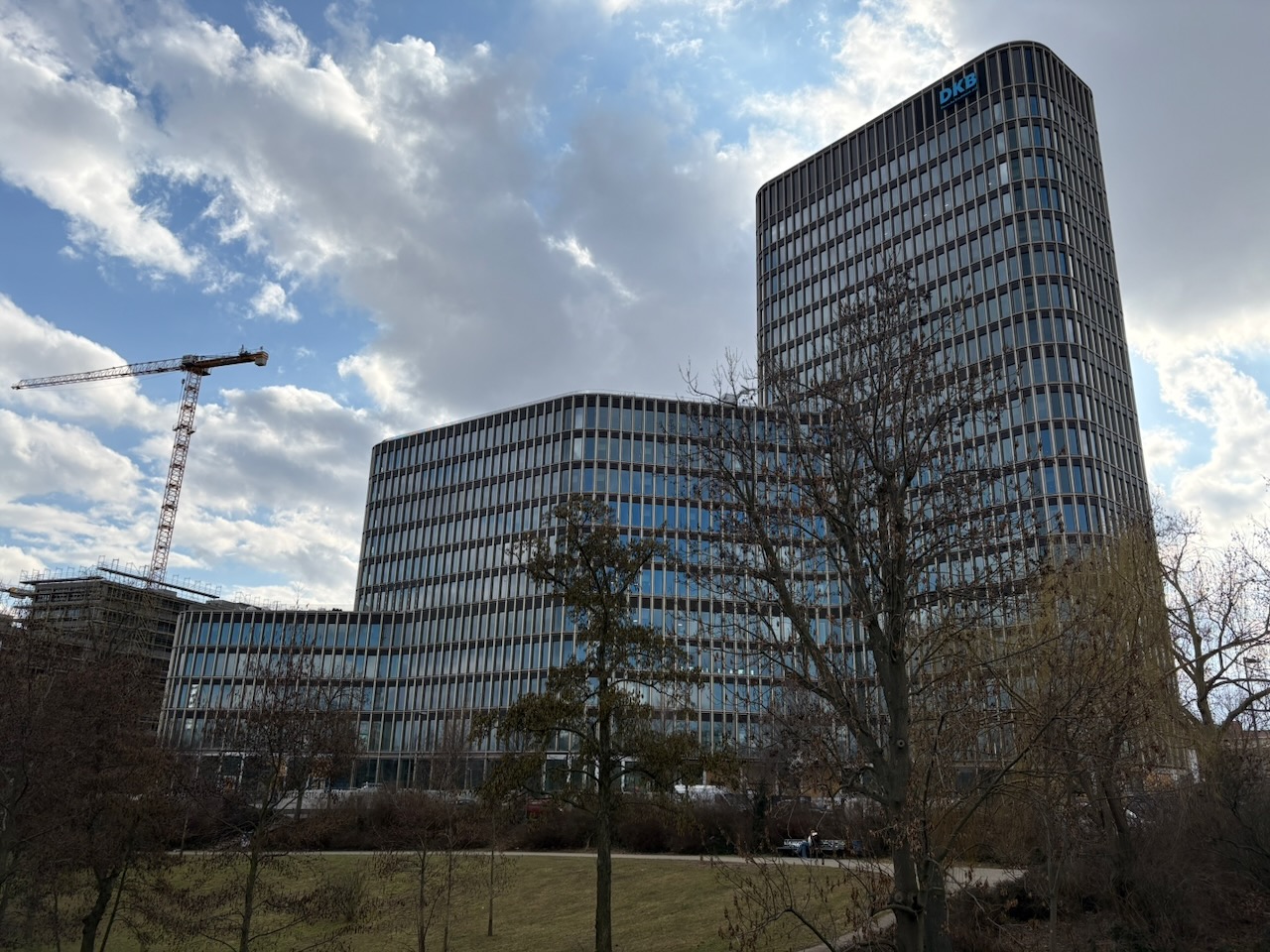
The property belongs—like large parts of Europacity—to CA Immo. They state:
The exclusive tenant of Upbeat is Deutsche Kreditbank AG (DKB), with whom the CA Immo Group has already signed a long-term lease.
This is now clearly visible. At the moment, however, it doesn’t look as if other tenants, such as restaurants or cafés, will be moving into the ground floor.
4 - North Harbor Bridge Green Spaces
We now continue south along Heidestraße to the Nordhafenbrücke (North Harbor Bridge).
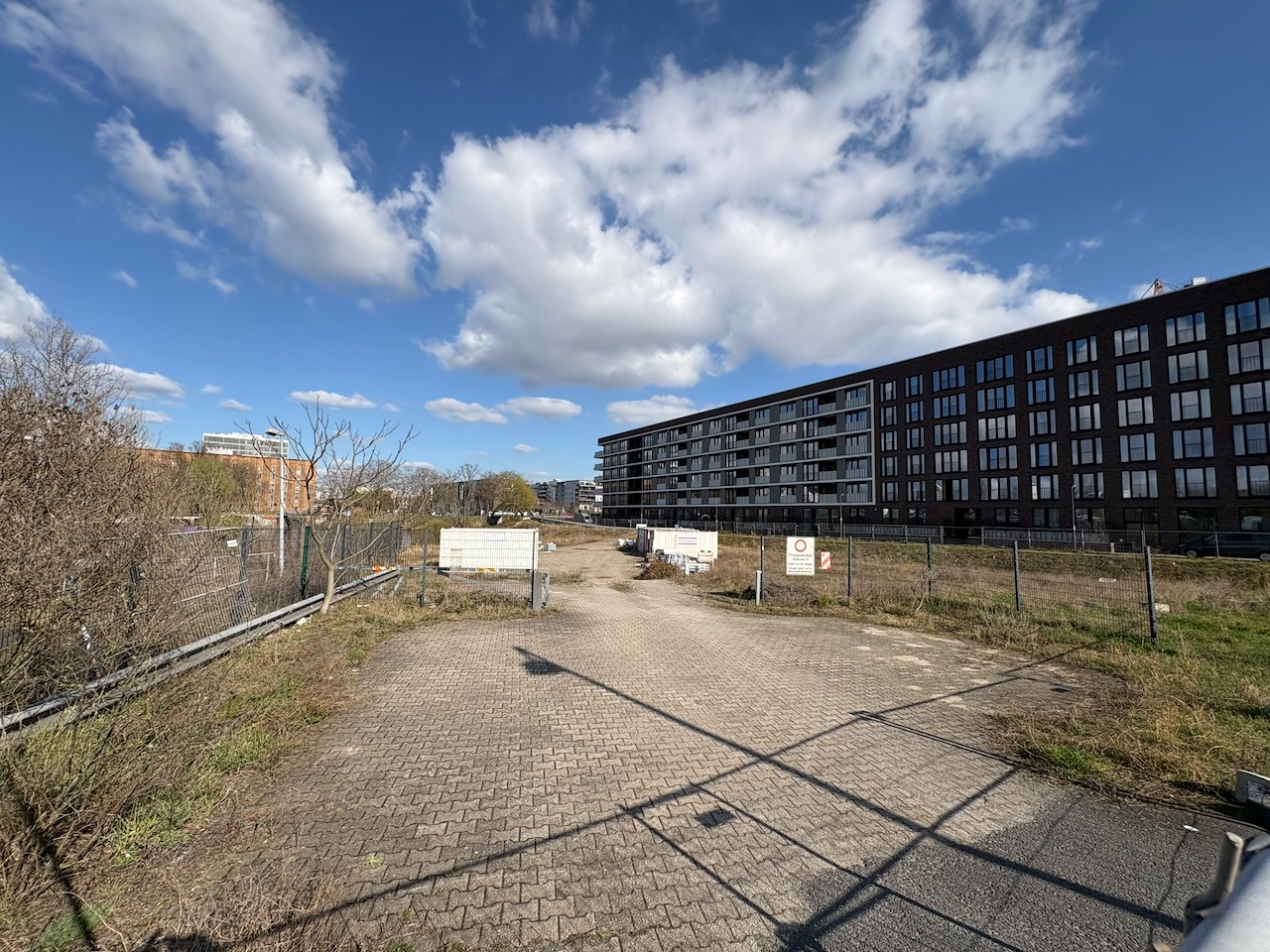
As soon as the final construction work around the bridge is completed, the area between Nordhafen Living & Office and QH Crown South is to be redesigned into a green space.
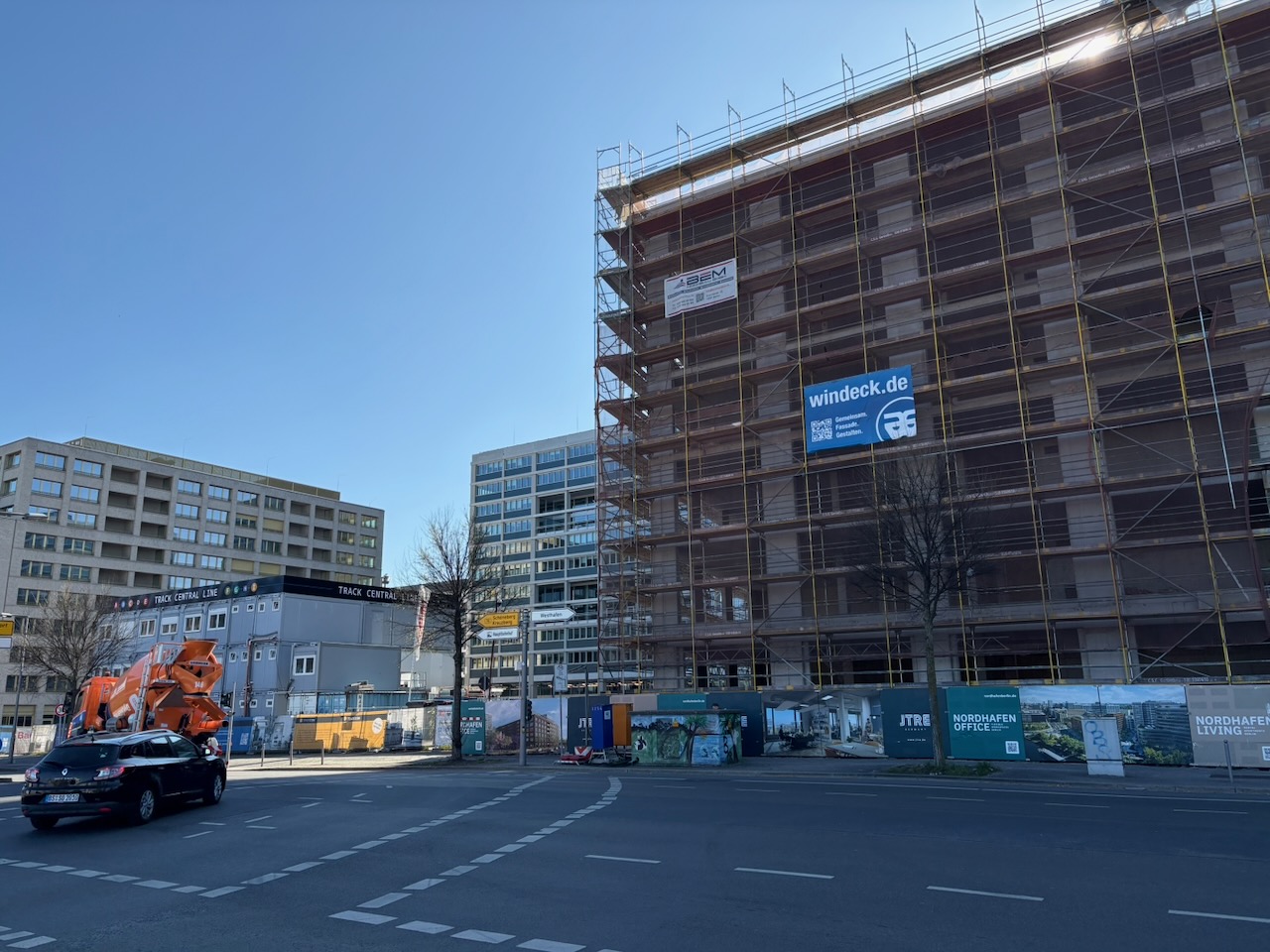
The wasteland across the street is also designated for this type of use.
The site plan is particularly interesting:
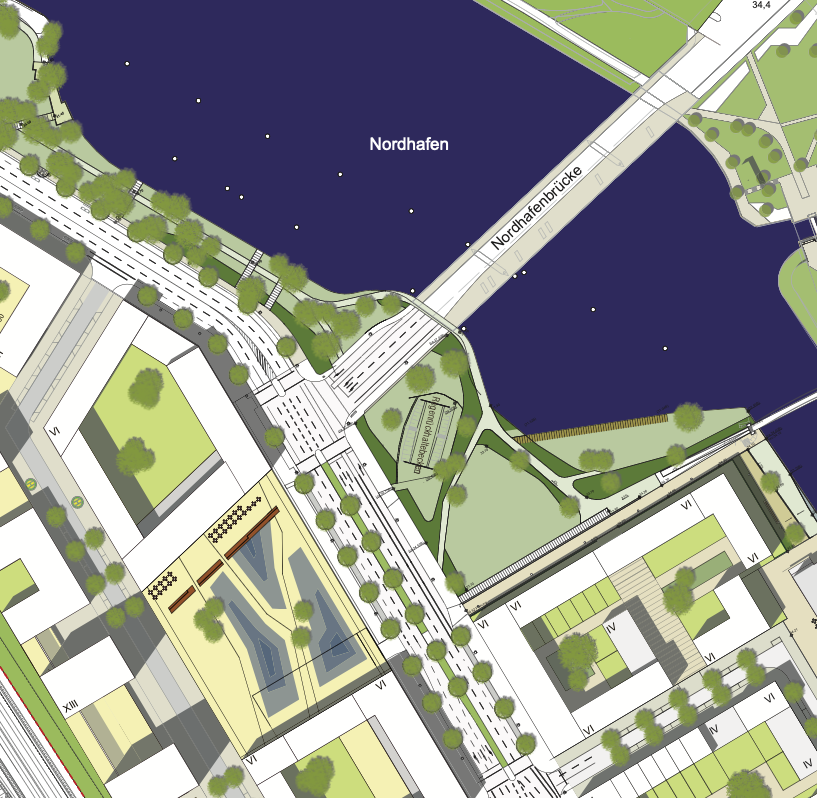
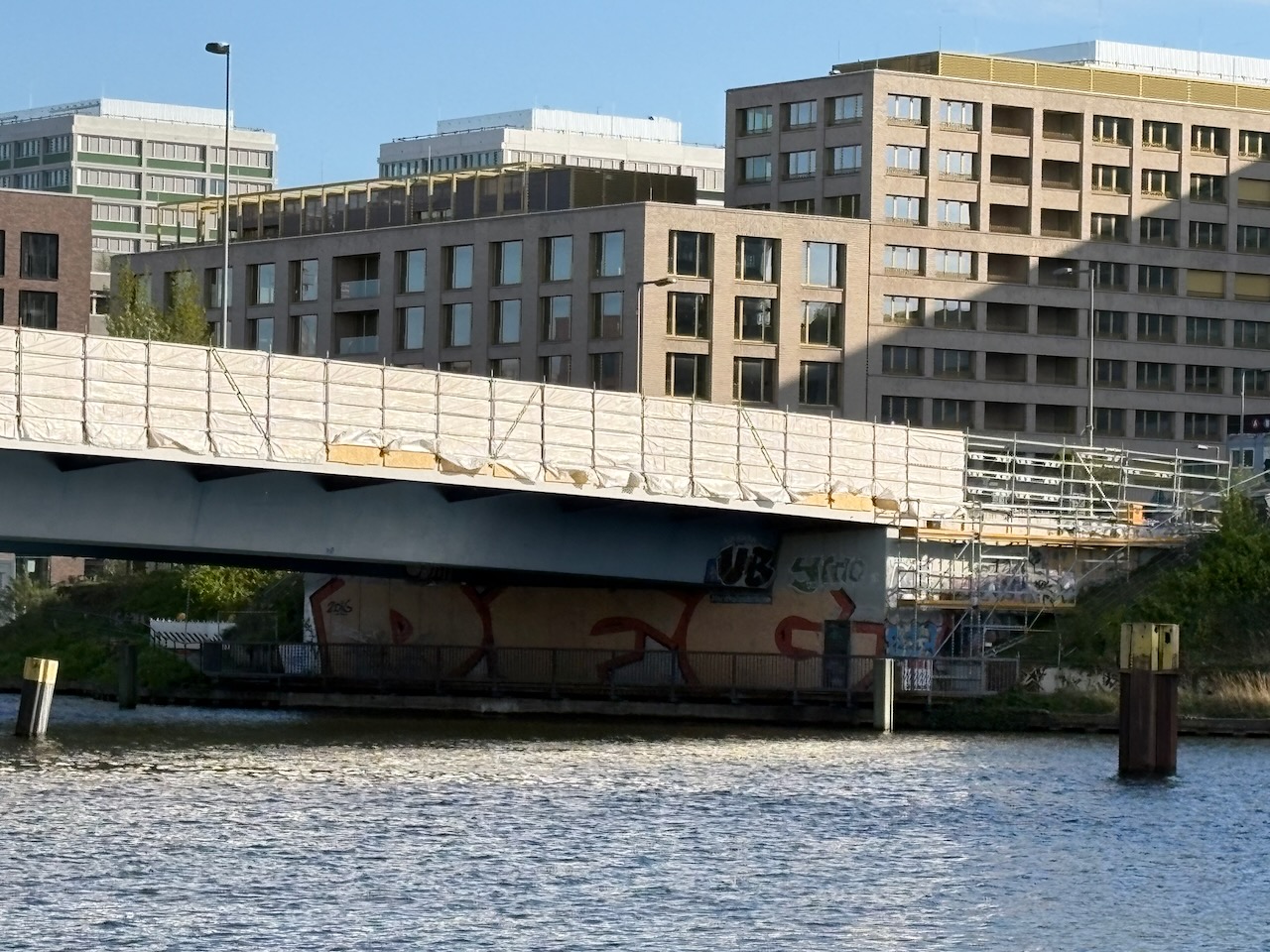
A pedestrian underpass beneath the Nordhafenbrücke is marked here. From the opposite bank, you can already see the path, which is currently still fenced off:
5 - Kornversuchsspeicher (Grain Laboratory Silo)
It’s now just a short walk toward the canal.
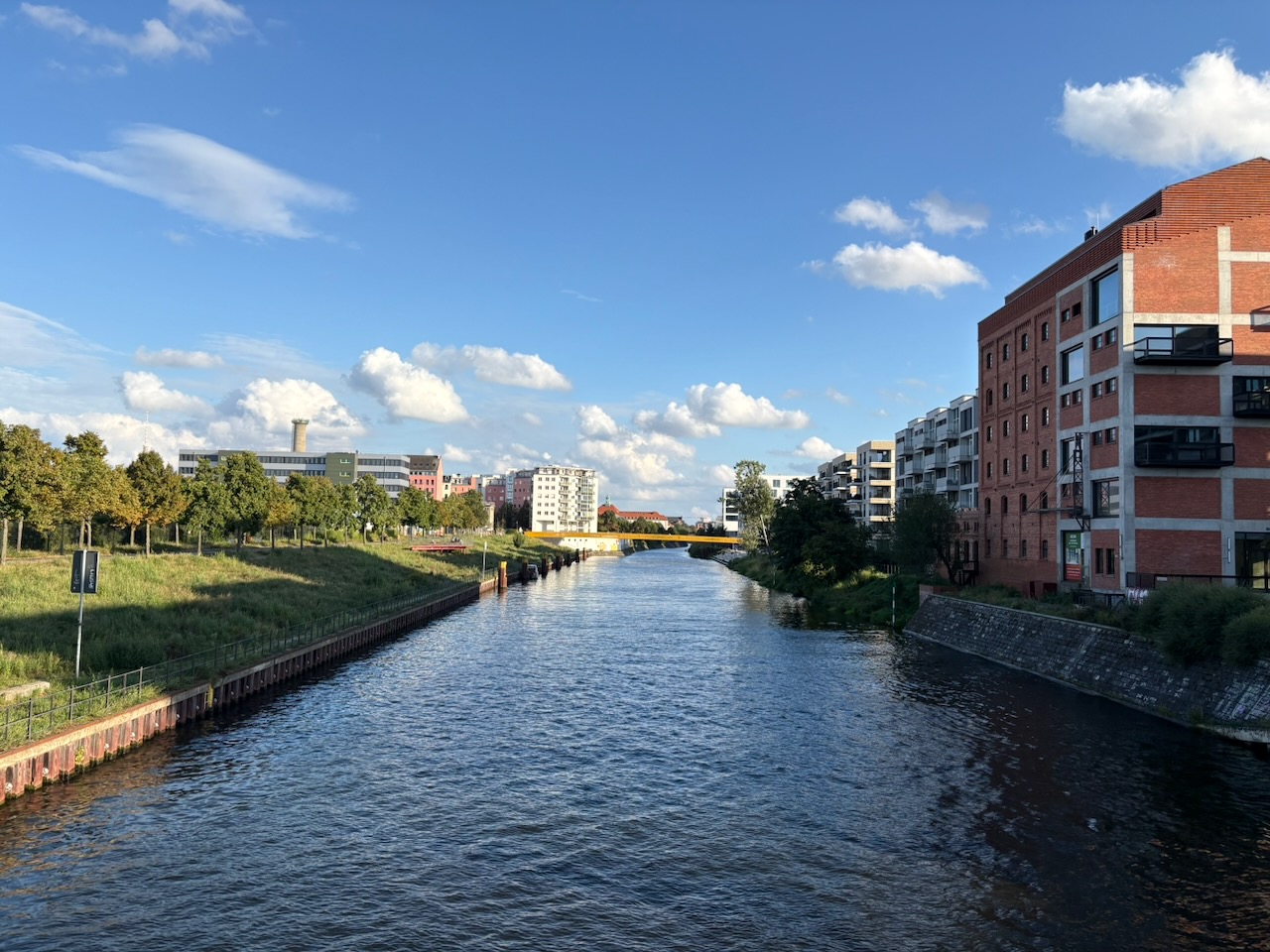
In the center of Europacity stands the Kornversuchsspeicher, which was completed some time ago. The heritage-listed building has won several architectural awards.
What is remarkable, however, is that it has stood empty since completion. The likely reason: the recently deficit-ridden Adler Group sold the building to the Berlin-based BAL Group. They were already involved in the development of QH Crown on Heidestraße and know the area well. It remains to be hoped that there will soon be some movement regarding its use.
Offices and possibly gastronomy on the ground floor are planned.
6 - Green Space on Scharnhorststraße
On a detour to the other side of the canal, you might notice the construction site on a former parking lot at Scharnhorststraße 29.
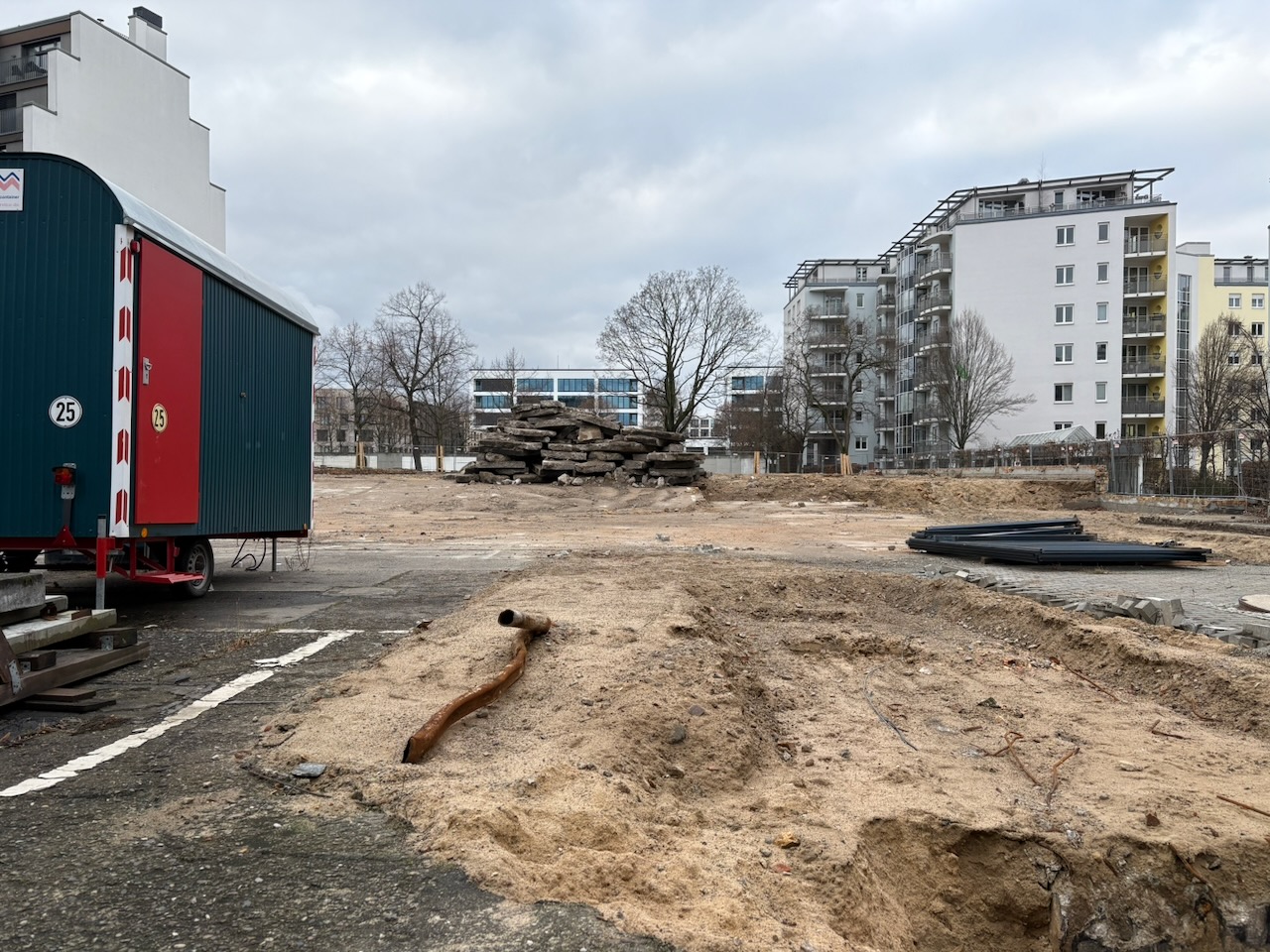
This is located directly between the Invalids' Cemetery and Scharnhorststraße. The parking lot is currently being converted into a public green space, which will then provide access from the street to the waterfront.
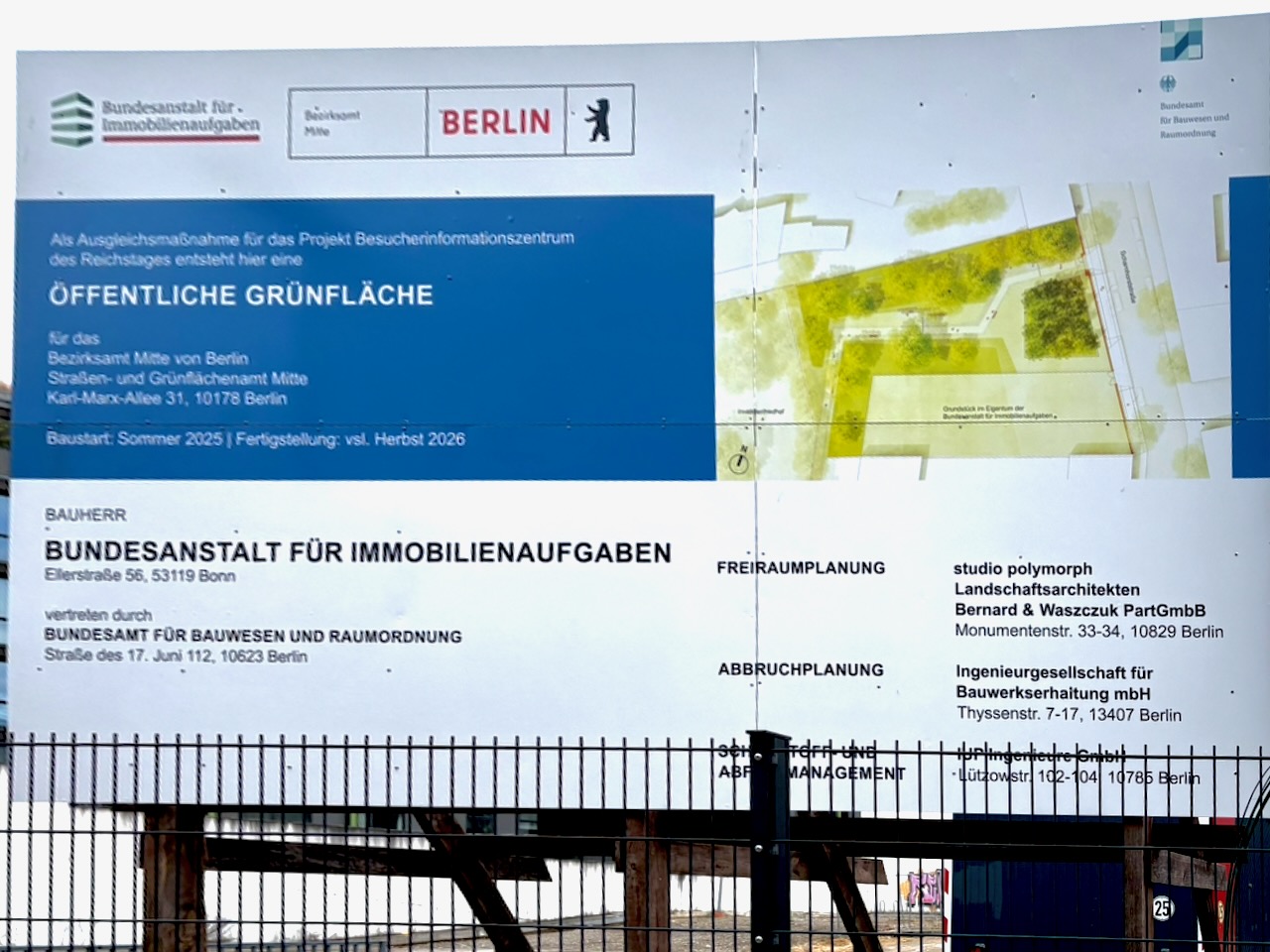
Evidently, they learned from the Otto-Weidt-Platz project: to be on the safe side, no completion date is mentioned here anymore.
7 - Döberitzer Green Belt
We’re making a small jump and crossing the railway tracks to the east via the (as of yet) unbuilt pedestrian bridge. This is where the "Döberitzer Grünzug" (Döberitz Green Belt) is located, and parts of it are already finished.
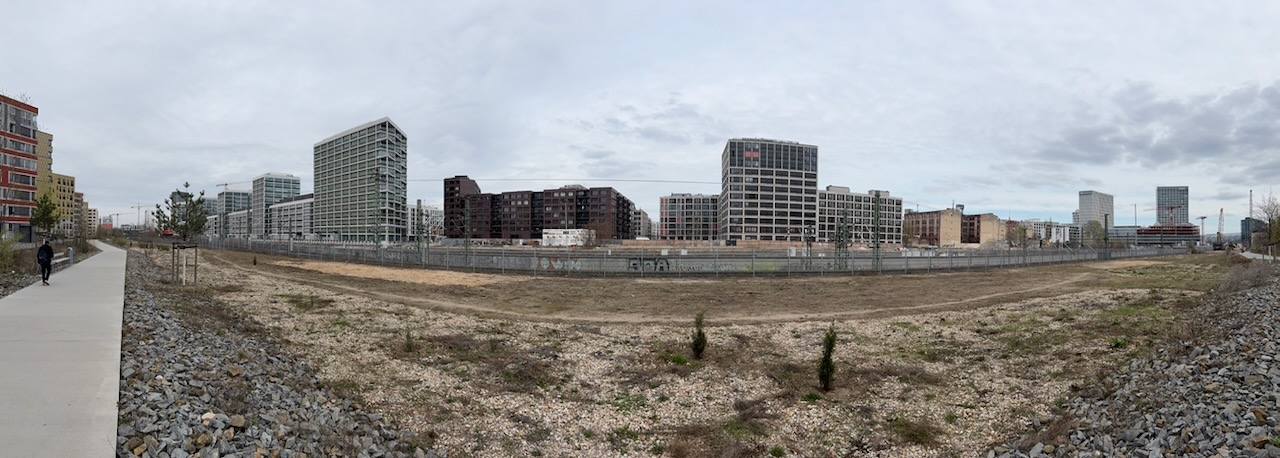
However, it’s not really "green" yet, as you can see.
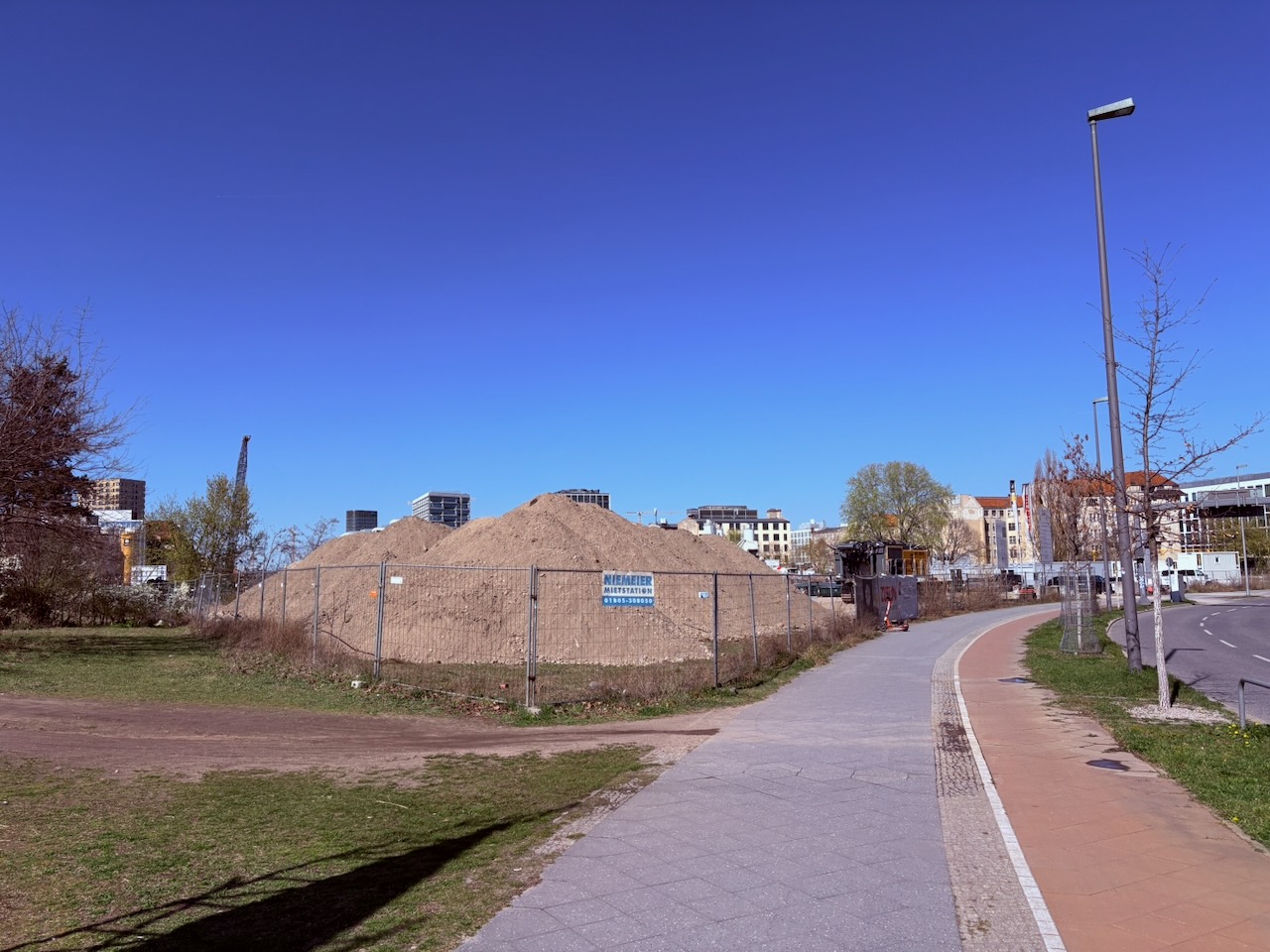
Further south, adjacent to Minna-Cauer-Straße, the Döberitzer Grünzug is being further expanded:
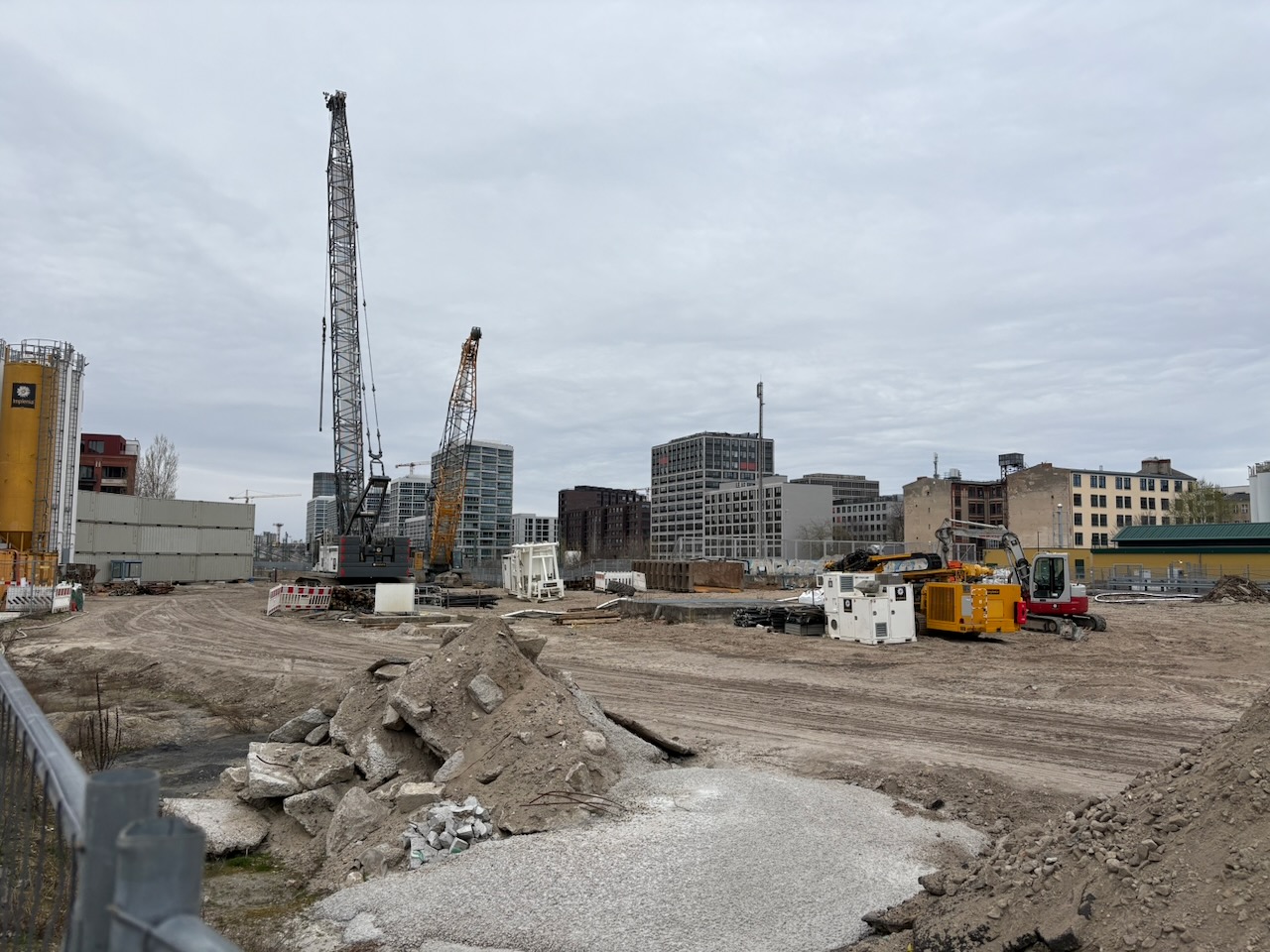
First, the soil was remediated here:
The environmental damage was extensively removed by DB Netz AG by replacing soil down to a depth of 6 meters.
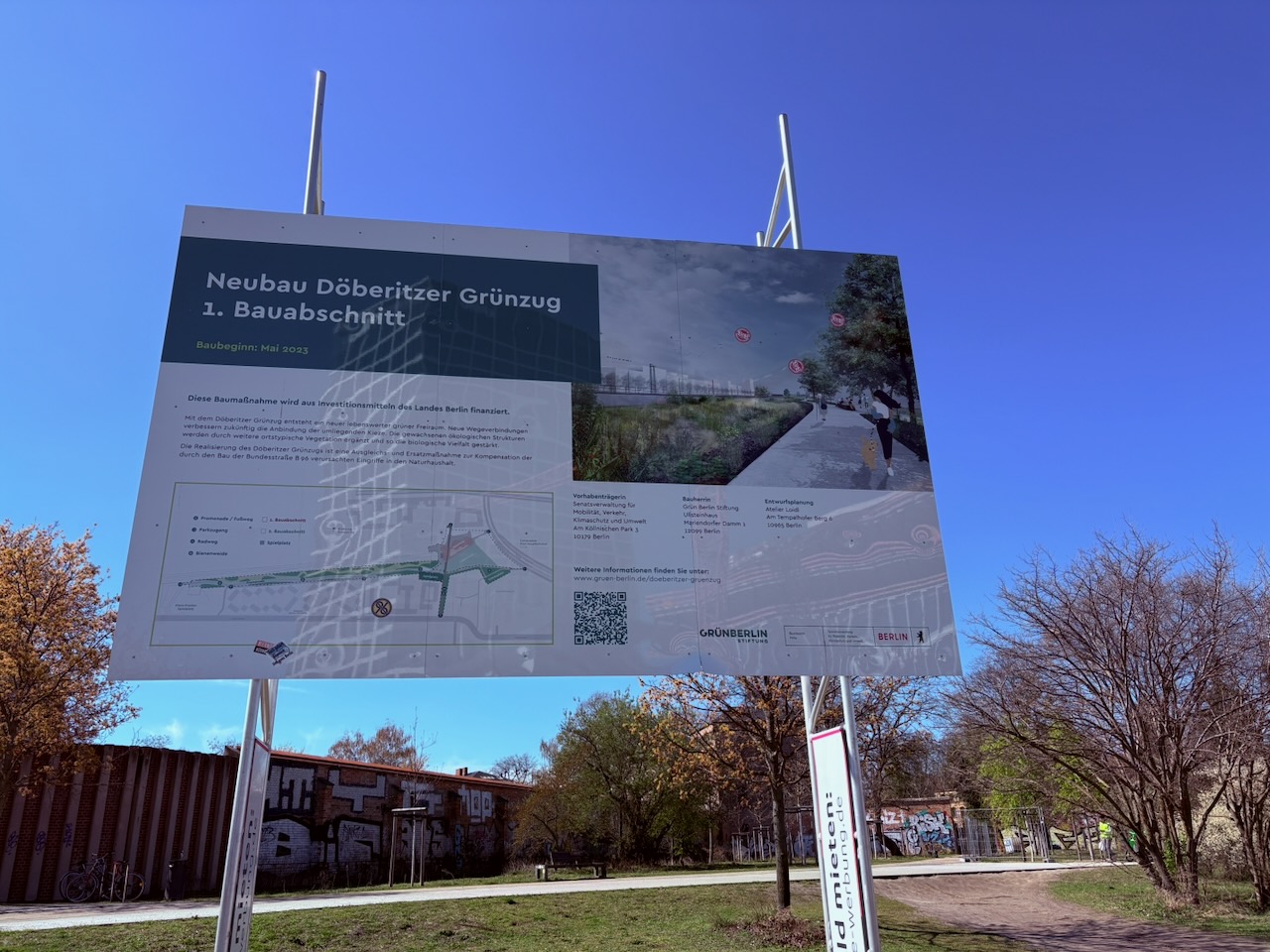
What is planned?
A variety of uses are intended—from playgrounds and a diversely designed promenade to a "trainspotting" terrace and sports areas for movement, rolling, driving, skating, and fitness.
8 - Hamburger Höfe 2
The plot at the corner of Minna-Cauer-Straße and Heidestraße, located right next to the Döberitzer Grünzug construction site, remains somewhat unclear. Recently, a groundwater pipe was laid there leading to the Spandau Ship Canal.
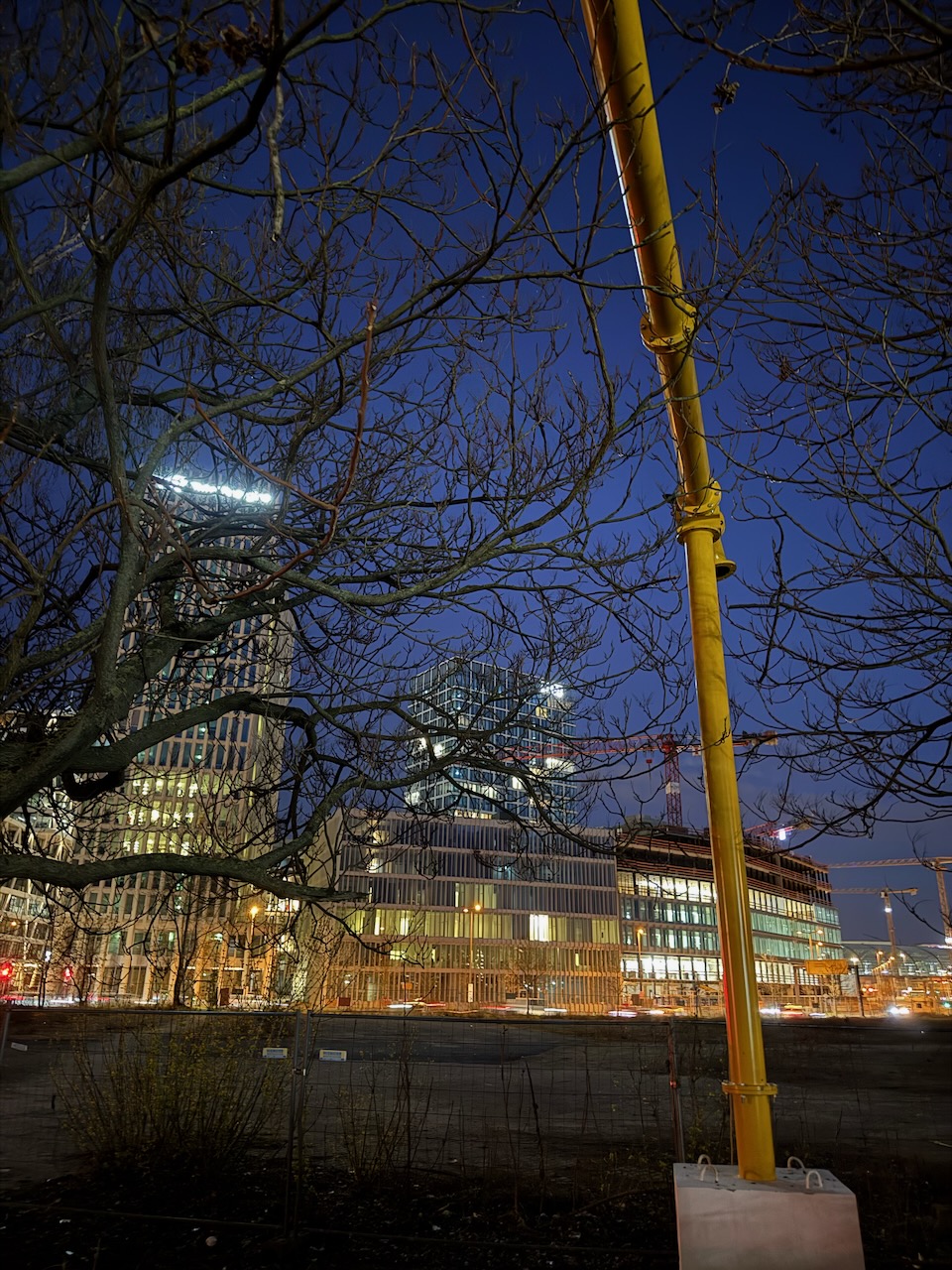
In one Europacity plan, the area is referred to as "CA Immo – Hamburger Höfe 2." However, concrete information has been hard to find so far.
On the urban development website, the legal status of the land-use planning procedure is currently listed as "in progress."
I’ve reached out to CA Immo for clarification and will report back as soon as there is news.
9 - Anna-Lindh-Haus
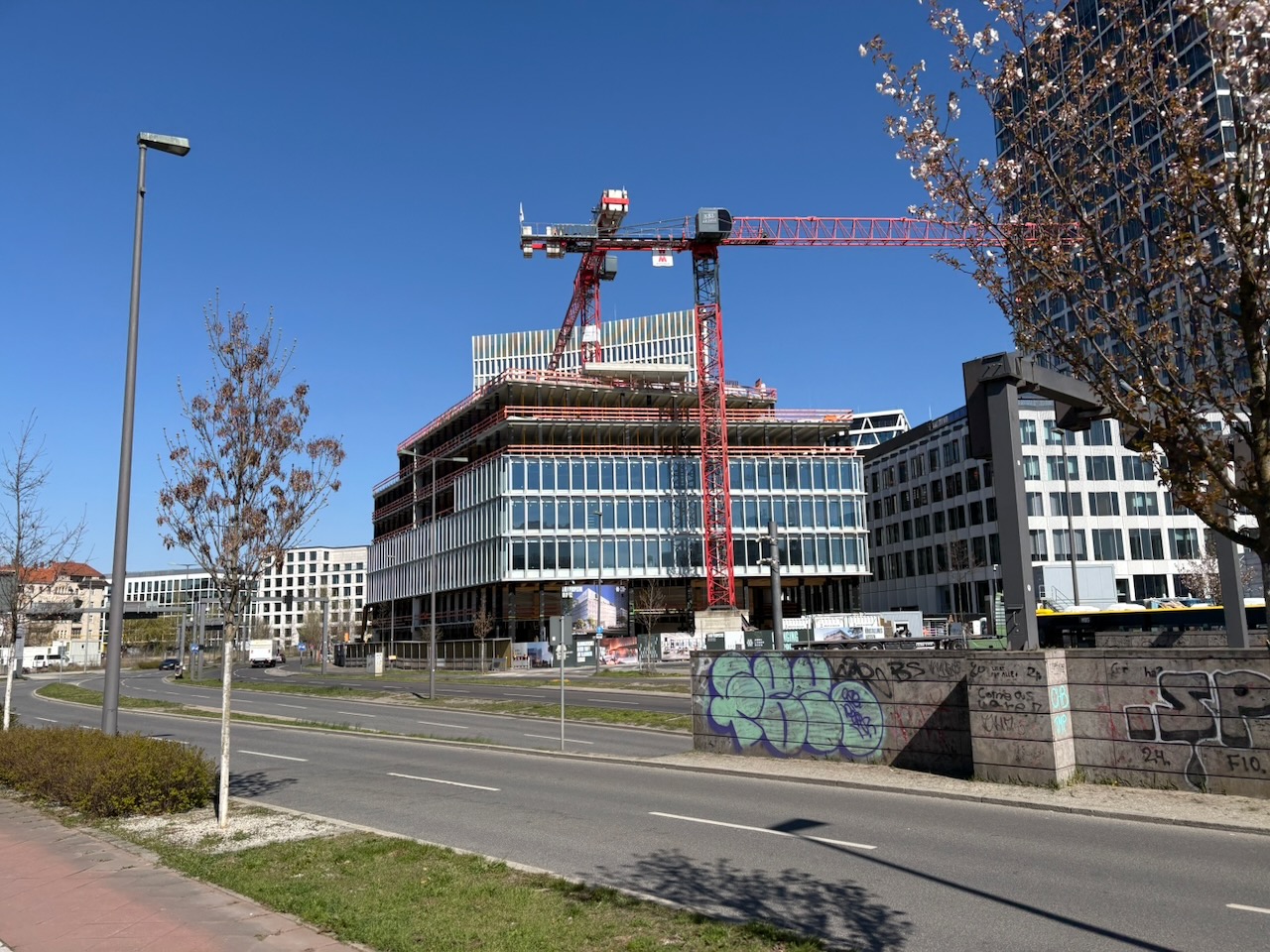
On the other side of Minna-Cauer-Straße, just before the southern end of Europacity, the Anna-Lindh-Haus is currently being built.
Anna Lindh was a Swedish politician and a dedicated European. As Foreign Minister, she was a passionate advocate for human rights, peace, and a strong European community.
Here, too, more attention was paid to sustainability than in many other Europacity buildings. Instead of classic reinforced concrete beams, the construction consists largely of solid timber beams.
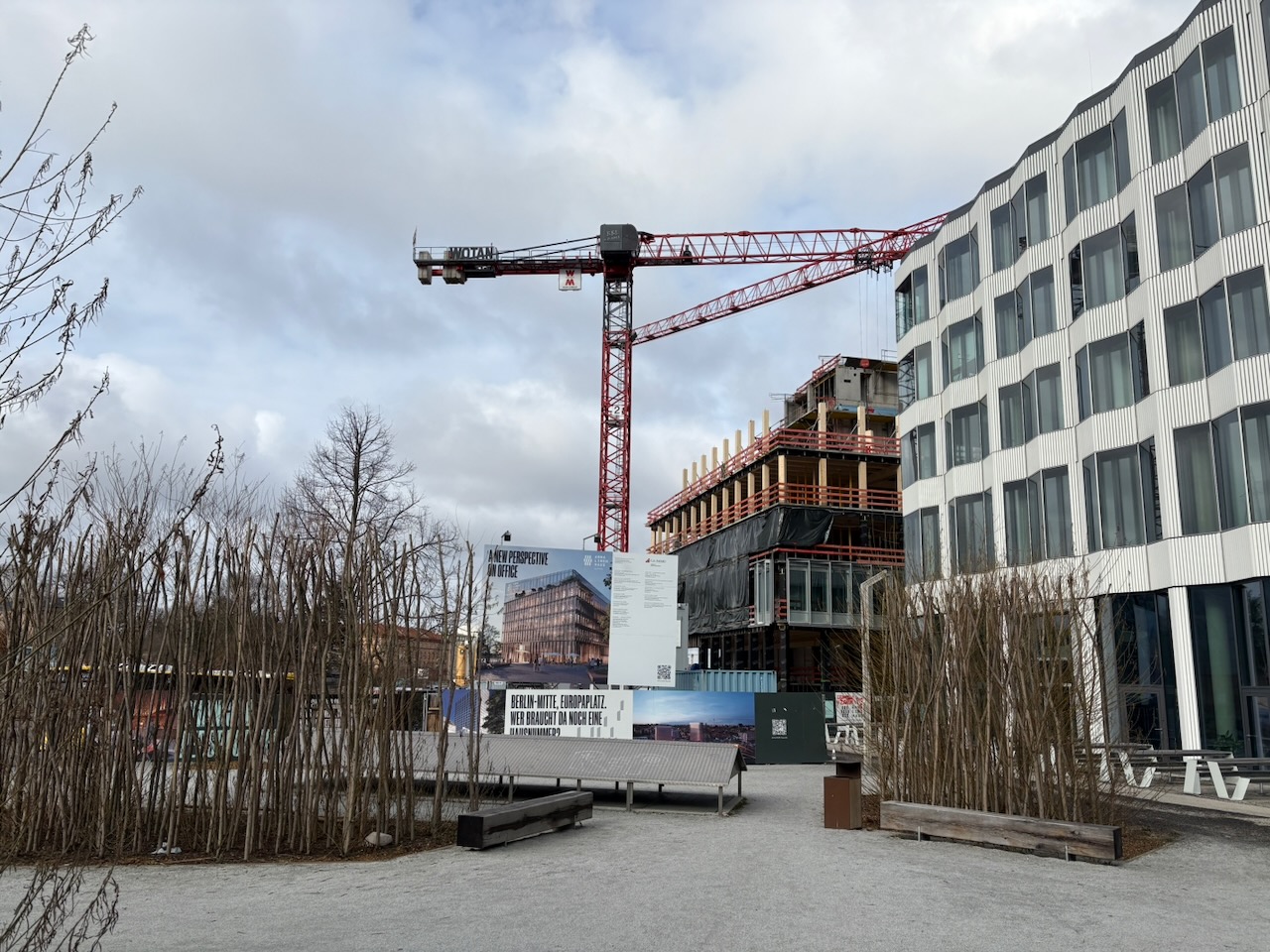
Only the elevator shaft was built of concrete.
The plan—unsurprisingly—is for office space.
10 - Europaplatz
At the end of our tour, we reach the Central Station (Hauptbahnhof). Europaplatz, specifically its southern part, was the first impression of the city for many visitors and was long considered uninviting: taxis, asphalt, excrement that gave off a "seductive" scent in the summer, and very little space for bicycles.
Some speculated about a possible frog pond appearing there:
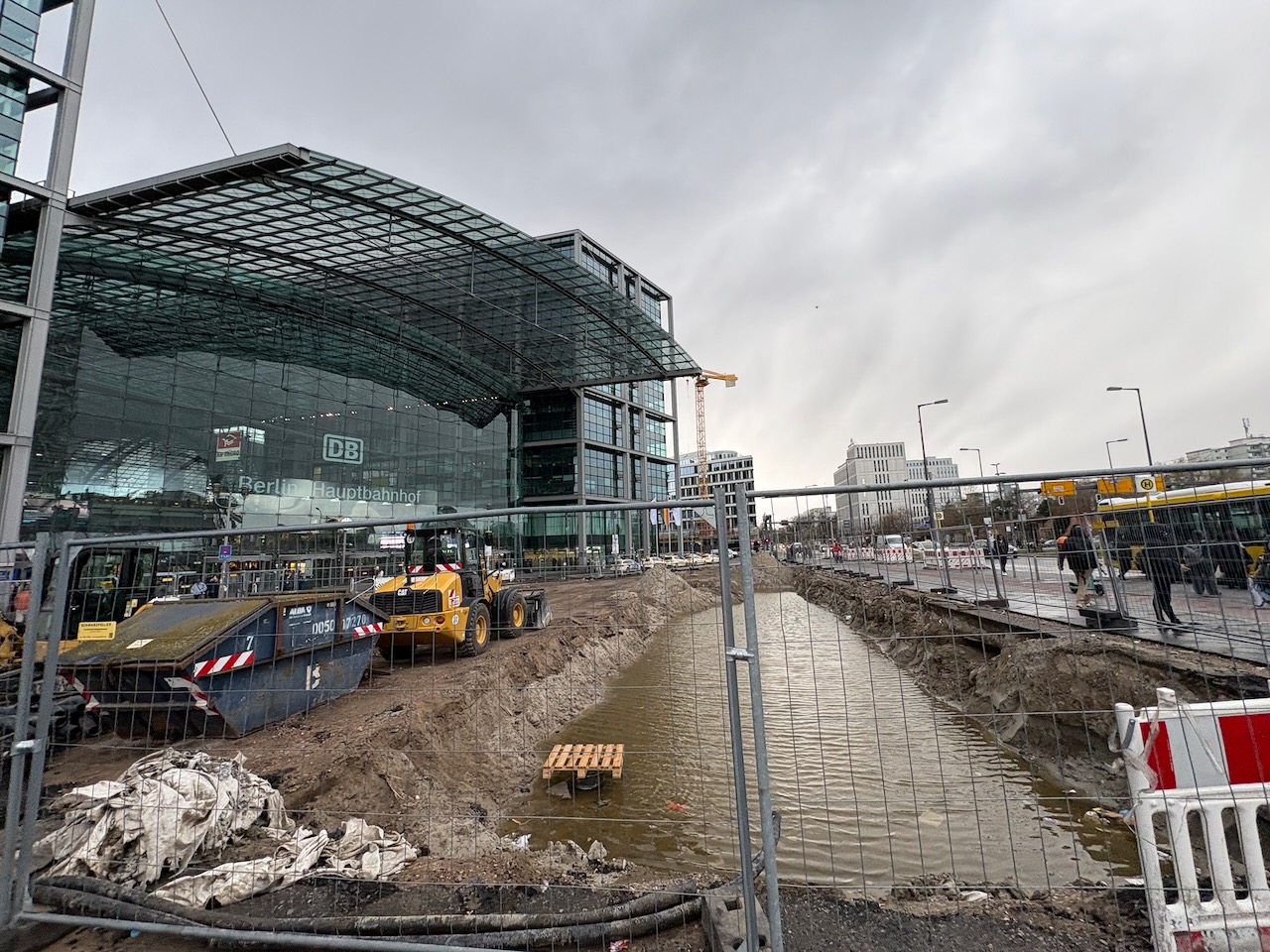
In reality, the excavation is for the trees that are to be planted. Fortunately, the station forecourt is finally being redesigned:
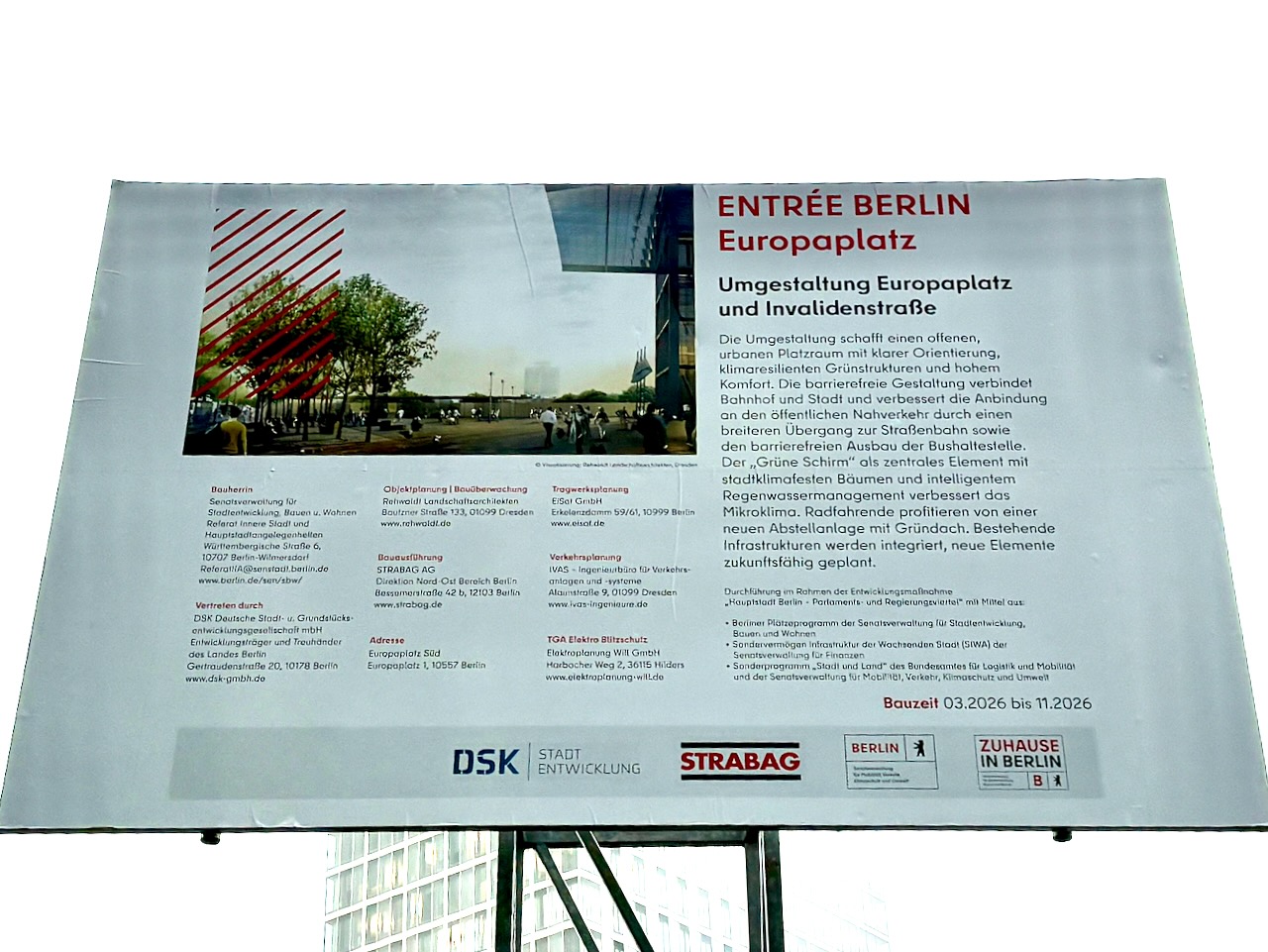
Creation of generous and barrier-free movement areas
Planting of 30 heat-resilient trees
Bicycle parking facilities for around 220 bikes in a double-tier system, as well as eight cargo bikes with a green roof
No more regular vehicle traffic on the square, except for emergency services
That sounds like a sensible concept. There was a lot of public participation here, just as there was with the Döberitzer Grünzug.
Here is a visualization. A bit more greenery would be desirable, but overall, the plan represents a significant improvement over the current situation.
Conclusion
Europacity remains a neighborhood in the making: much is already finished, other parts are still under construction—and some things still feel a bit incomplete or underutilized. While numerous apartments have been built in recent years, noticeable vacancies remain in the commercial sector. Additionally, the question of whether so much additional office space is actually needed remains open.
At the same time, you can observe the district slowly coming to life. With the first warm days, public spaces are filling up: Otto-Weidt-Platz is once again being used by café-goers, strollers, and families, and there is significantly more activity along the paths and green spaces than just a few years ago.
The Kiez isn't developing all at once, but step by step. With every new use, every finished green space, and every new shop, the neighborhood grows a bit closer together. The foundation is there.